
The Future of Government Contracting: Trends and Innovations


Introduction
The landscape of government contracting is rapidly evolving, driven by technological advancements and changing policy landscapes. As we move further into the 21st century, understanding these trends and innovations is crucial for businesses looking to engage with government contracts effectively.
Emergence of Digital Transformation
Digital transformation is at the forefront of government contracting. Governments worldwide are adopting digital tools to streamline procurement processes, enhance transparency, and improve efficiency. This shift not only reduces costs but also makes it easier for businesses to participate in the bidding process.
Blockchain Technology
Blockchain is becoming increasingly relevant in government contracting. Its ability to provide secure, transparent, and immutable records makes it a valuable tool for ensuring the integrity of contract management. This innovation is expected to minimize fraud and build trust between contracting parties.

Increasing Emphasis on Sustainability
Governments are placing a greater emphasis on sustainability in their contracting processes. This includes prioritizing suppliers who adhere to environmentally friendly practices and offer sustainable products. Businesses that align with these values are more likely to win contracts.
Green Procurement Policies
Many governments are implementing green procurement policies to reduce their carbon footprint. These policies encourage the selection of goods and services that have minimal environmental impact, thereby promoting sustainable economic growth.

Rise of AI and Automation
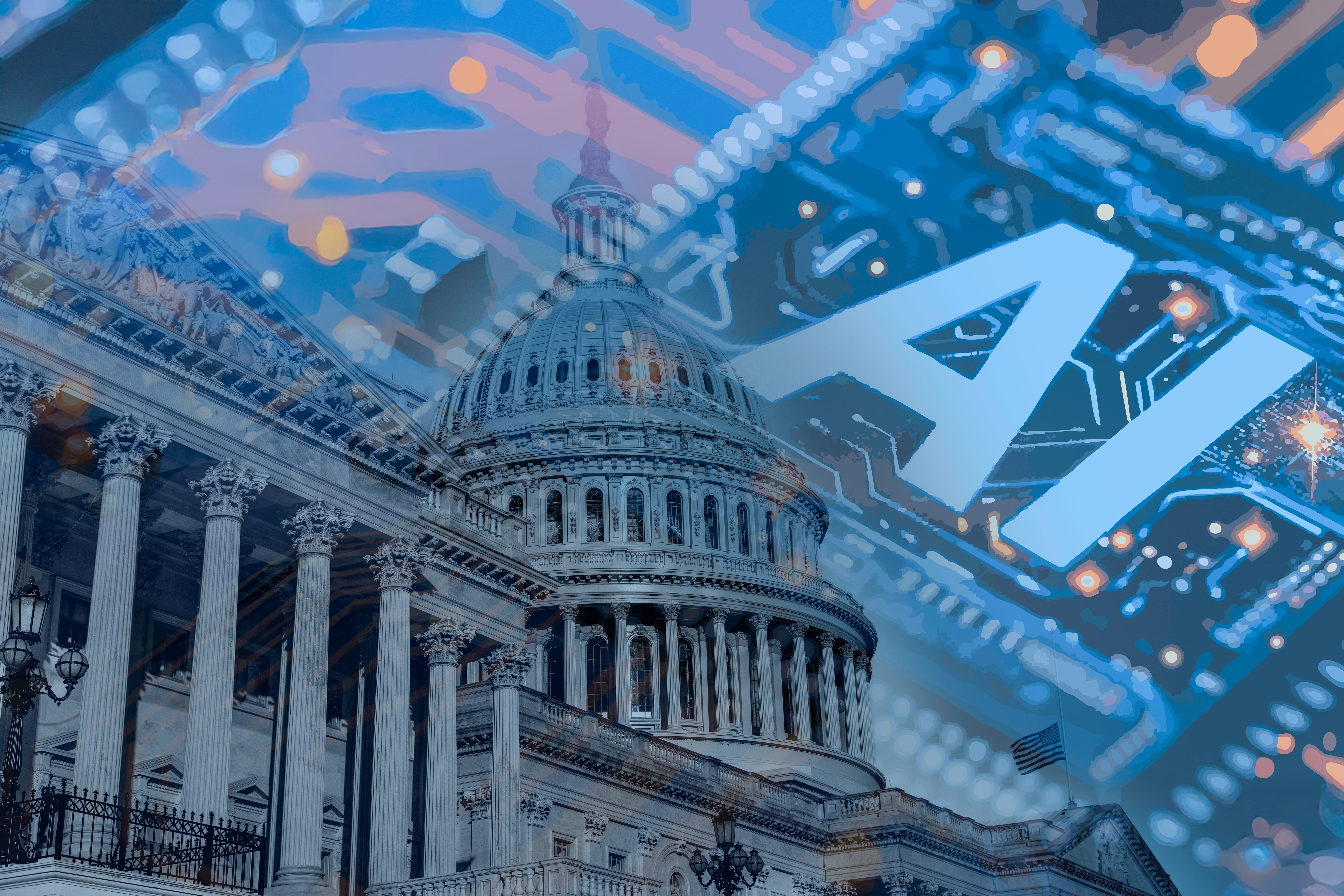
AI and automation are revolutionizing the way government contracts are managed. From automating routine tasks to analyzing vast amounts of data, AI tools are enhancing decision-making and operational efficiency in the contracting process.
Smart Contracting
Smart contracts, powered by AI, are being used to automate and enforce the terms of government contracts. This innovation helps in reducing paperwork, saving time, and mitigating human error, leading to more efficient contract execution.

Challenges and Opportunities
While these innovations present exciting opportunities, they also pose challenges. Businesses must adapt to new technologies and comply with evolving regulations. However, those who can navigate these changes will find ample opportunities in the growing government contracting market.
- Adapting to digital tools and platforms
- Complying with new sustainability standards
- Leveraging AI for competitive advantage
In conclusion, the future of government contracting is bright, with numerous innovations paving the way for more efficient, transparent, and sustainable processes. Businesses that stay informed and adaptable will be well-positioned to capitalize on these trends.