
How to Secure Contracts with the U.S. Government: A Step-by-Step Process


Understanding the Basics
Securing contracts with the U.S. government can be a lucrative opportunity for businesses of all sizes. However, the process can be complex and requires a thorough understanding of government procedures. This guide will walk you through the essential steps to successfully obtain government contracts.

Research and Preparation
Before you start, it's crucial to conduct detailed research. Understand the specific needs of the government agencies you're targeting. Identify which departments require the goods or services you offer. Look into past contracts to gain insights into what is typically sought after and what competitors have offered.
Preparation is key. Ensure your business meets all the necessary qualifications and certifications required by the government. This may include obtaining a D-U-N-S Number, registering in the System for Award Management (SAM), and ensuring compliance with federal regulations.
Registering Your Business
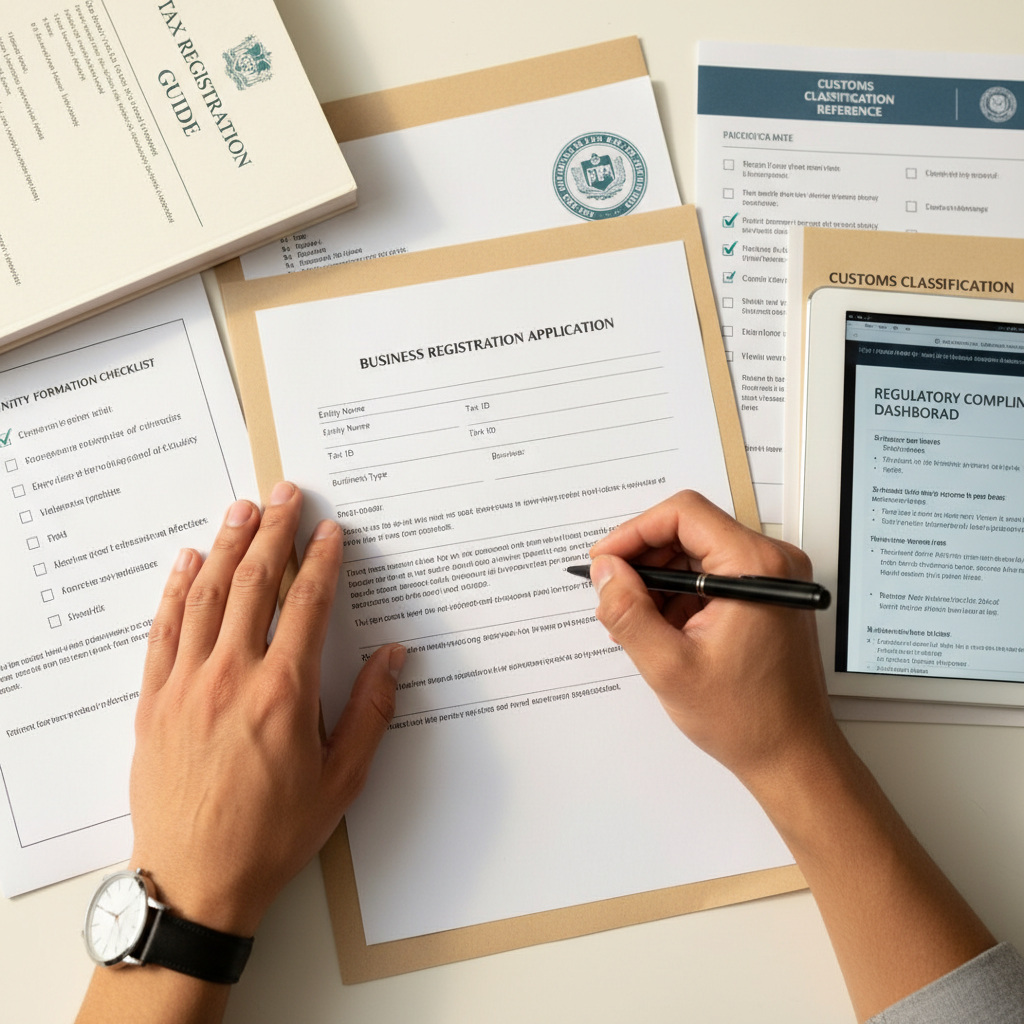
To be eligible for government contracts, your business must be registered with several key systems. Register with the System for Award Management (SAM), the primary database for vendors doing business with the federal government. It's free to register, but ensure your information is accurate and up to date.
- Obtain a D-U-N-S Number from Dun & Bradstreet.
- Register in the SAM database.
- Complete any necessary certifications, such as those for small businesses or minority-owned enterprises.
Finding Opportunities
Once registered, the next step is to actively seek out contracting opportunities. The primary source for federal contracts is the Federal Business Opportunities (FBO) website, now known as beta.SAM.gov. Here, you can search for contracts by type, location, and agency.
It's also beneficial to network within the industry. Attend government contracting events, workshops, and seminars to connect with key decision-makers and other businesses in the field.
Submitting a Proposal
Crafting a compelling proposal is critical. Your proposal should clearly outline how your product or service meets the agency’s needs. Highlight your experience, capabilities, and any past successes with similar contracts. Ensure your pricing is competitive yet realistic.

Attention to detail is vital. Follow the proposal guidelines explicitly, and ensure all required documents and forms are completed accurately. Consider hiring a professional proposal writer if needed to increase your chances of success.
Negotiation and Award
If your proposal is shortlisted, be prepared to enter negotiations. This stage involves discussing terms, conditions, and pricing. Be flexible but firm in ensuring the contract terms are favorable to your business.
Upon successful negotiation, you'll be awarded the contract. At this point, ensure you fulfill all obligations as specified and maintain open communication with the agency to foster a strong working relationship.

Conclusion
Securing a government contract can significantly boost your business’s growth and credibility. By following these steps, from thorough research and careful registration to crafting a winning proposal and successful negotiation, you can position your business for success in the competitive world of government contracting.
Stay informed about changes in the process and continuously improve your approach to remain competitive in this lucrative market.