
How to Prepare Your Business for Government Contracting Opportunities


Understanding Government Contracting
Entering the world of government contracting can be a lucrative opportunity for businesses of all sizes. However, it's essential to understand the unique requirements and procedures involved. Government contracts often demand a higher level of compliance and documentation compared to private sector contracts. Being well-prepared can significantly increase your chances of success.

Assess Your Business Capabilities
Before diving into government contracting, assess your business capabilities. Determine whether your products or services align with government needs. Consider your capacity to fulfill large orders and your ability to meet stringent deadlines. A thorough evaluation will help you identify areas that may need improvement or scaling.
Additionally, ensure that your business has the necessary resources and infrastructure to handle government contracts. This may include staffing, technology, and financial stability. Preparing these aspects in advance will position your business as a reliable partner.
Get Registered
Registration is a crucial step in the government contracting process. Businesses must register with the System for Award Management (SAM), a government-wide portal for contractor registration. This registration is mandatory for any business wishing to bid on government contracts.
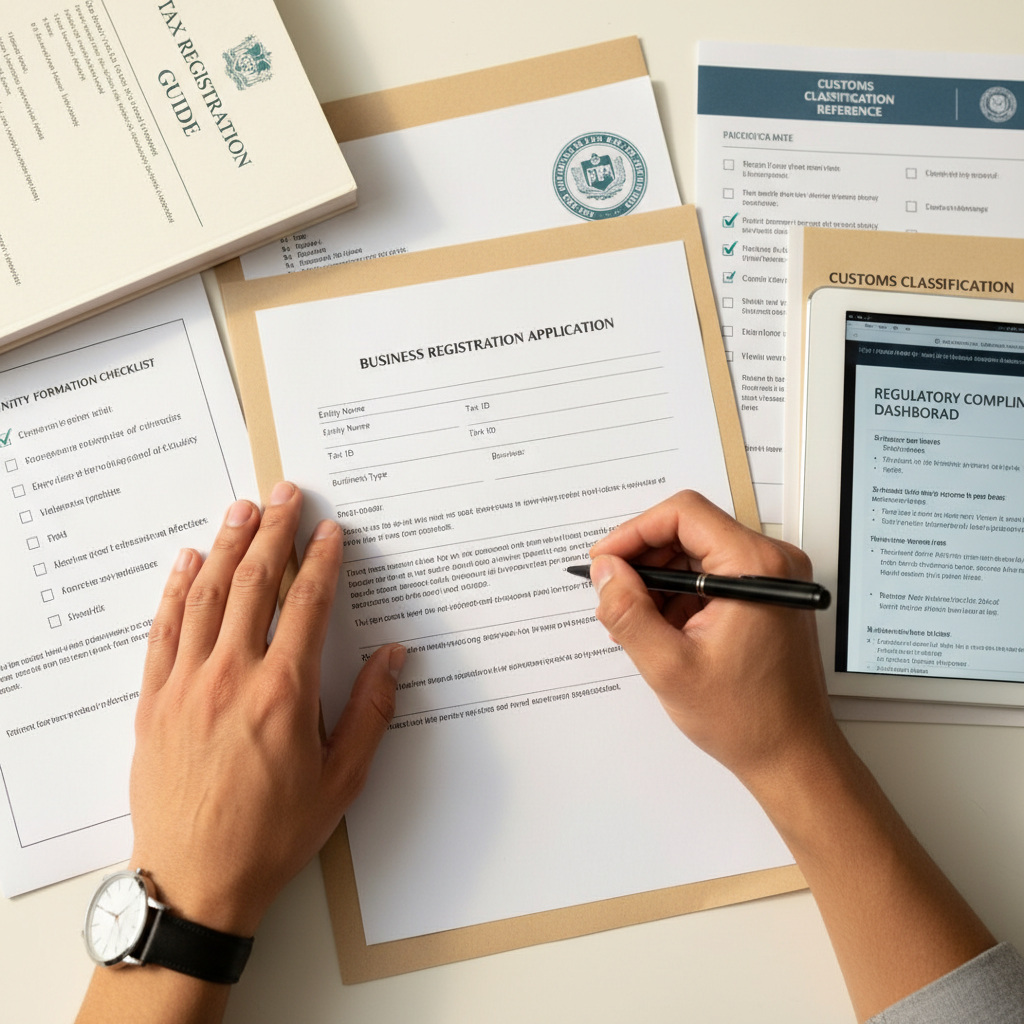
Ensure that your registration is current and accurate. Keep your information updated, as government agencies use this data to assess your eligibility and capabilities. Accurate registration can also streamline the bidding process and improve your chances of winning contracts.
Understand Contract Requirements
Each government contract comes with specific requirements that must be met. Carefully review the request for proposal (RFP) documents to understand all terms and conditions. Pay attention to compliance requirements, certifications, and any mandatory disclosures.
It's also important to be aware of the different types of government contracts, such as fixed-price, cost-reimbursement, and time-and-materials contracts. Understanding these will help you determine which contracts are suitable for your business.

Develop a Strong Proposal
A well-crafted proposal is key to winning government contracts. Your proposal should clearly outline how your business can meet the government's needs. Highlight your unique strengths and past performance to demonstrate your capability and reliability.
Make sure to address all requirements listed in the RFP and provide a detailed cost breakdown. Clear, concise, and compelling language can make your proposal stand out from the competition.
Build Relationships and Network
Building relationships with government agencies and other contractors is vital. Attend industry events, workshops, and seminars to network with key players in the government contracting arena. Establishing a strong network can provide valuable insights and opportunities.

Consider partnering with other businesses to expand your capabilities and increase your appeal to government agencies. Collaborations can enhance your offerings and provide a competitive edge.
Prepare for Compliance and Audits
Government contracts often involve strict compliance and auditing processes. Familiarize yourself with the regulations and standards applicable to your industry and ensure that your business adheres to them. Implementing a robust compliance program will help you avoid potential pitfalls.
Regular audits and reviews of your processes can ensure ongoing compliance. Being proactive in these areas not only helps in maintaining contracts but also builds trust with government agencies.