
How Seasonal Trends Impact Government Contracting in California


Understanding Seasonal Trends in Government Contracting
Government contracting in California is significantly influenced by seasonal trends. These trends can determine the timing and availability of contracts, impacting how businesses plan and execute their strategies. Understanding these patterns is crucial for maximizing opportunities and ensuring successful bids.
Seasonal trends primarily revolve around budget cycles and legislative sessions, which dictate when funds are allocated and projects commence. By aligning business strategies with these cycles, contractors can better position themselves to secure lucrative deals.

Budget Cycles and Their Influence
In California, the fiscal year begins on July 1st. This marks a crucial period when state agencies receive new funding, often resulting in a surge of contract opportunities. Contractors should be prepared to act swiftly during this time to take advantage of the increased availability of projects.
Conversely, the months leading up to the end of the fiscal year, particularly April to June, often see a rush to allocate remaining funds. This urgency can lead to a flurry of contract awards, providing additional opportunities for businesses that are ready to respond.
Impact of Legislative Sessions
The California State Legislature operates on a session calendar that can influence contracting opportunities. Decisions made during these sessions can result in new regulations, funding allocations, and project approvals. Staying informed about legislative developments is crucial for contractors aiming to anticipate and respond to changes.
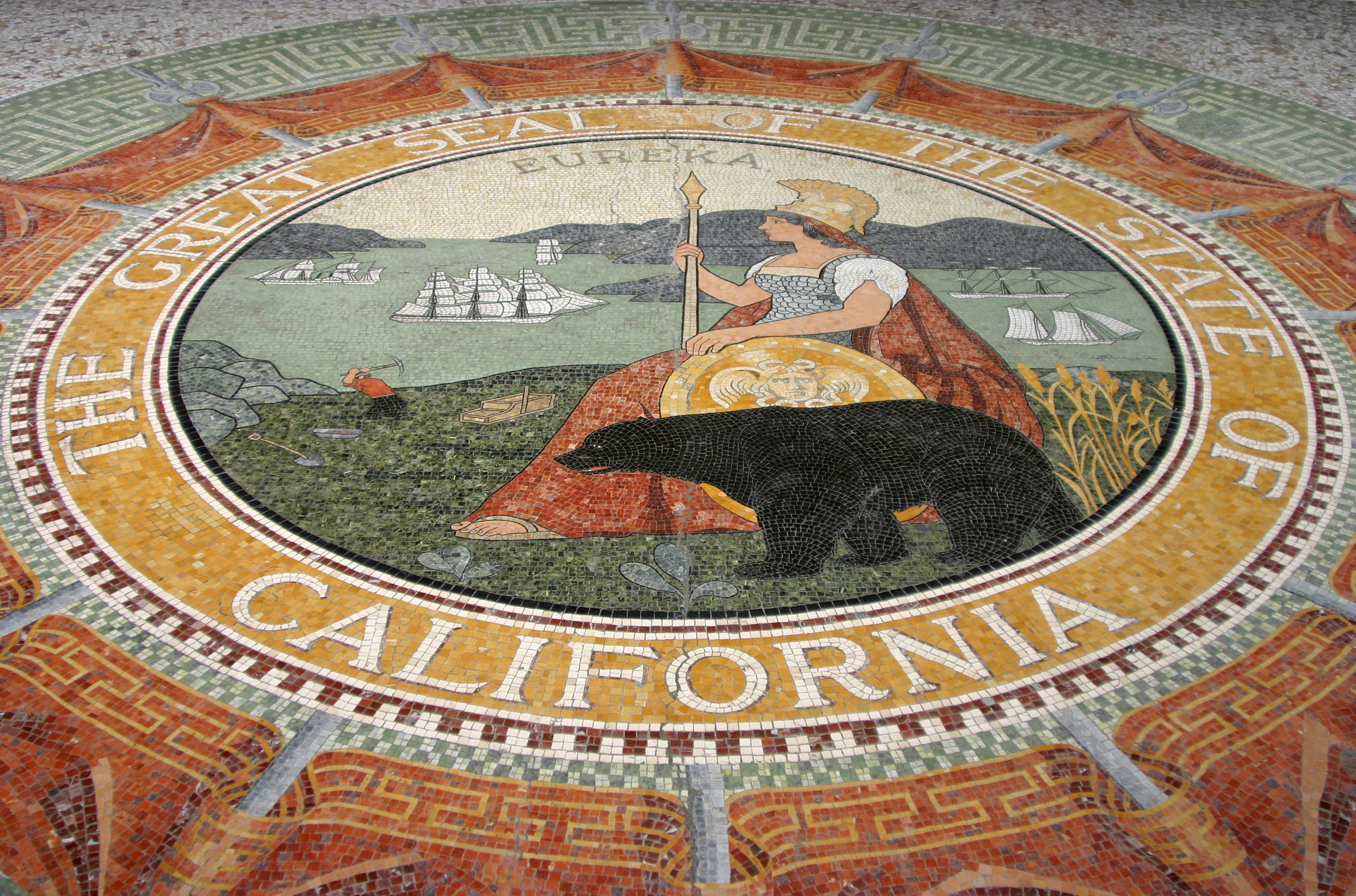
For instance, new infrastructure bills or environmental regulations passed during a session can lead to a wave of contracts requiring specific expertise. Contractors should monitor these sessions closely to align their capabilities with emerging needs.
Weather and Environmental Factors
California's diverse climate also plays a role in government contracting, especially for projects related to agriculture, water management, and disaster response. Seasonal weather patterns can dictate the timing and nature of projects, affecting when and how they are executed.
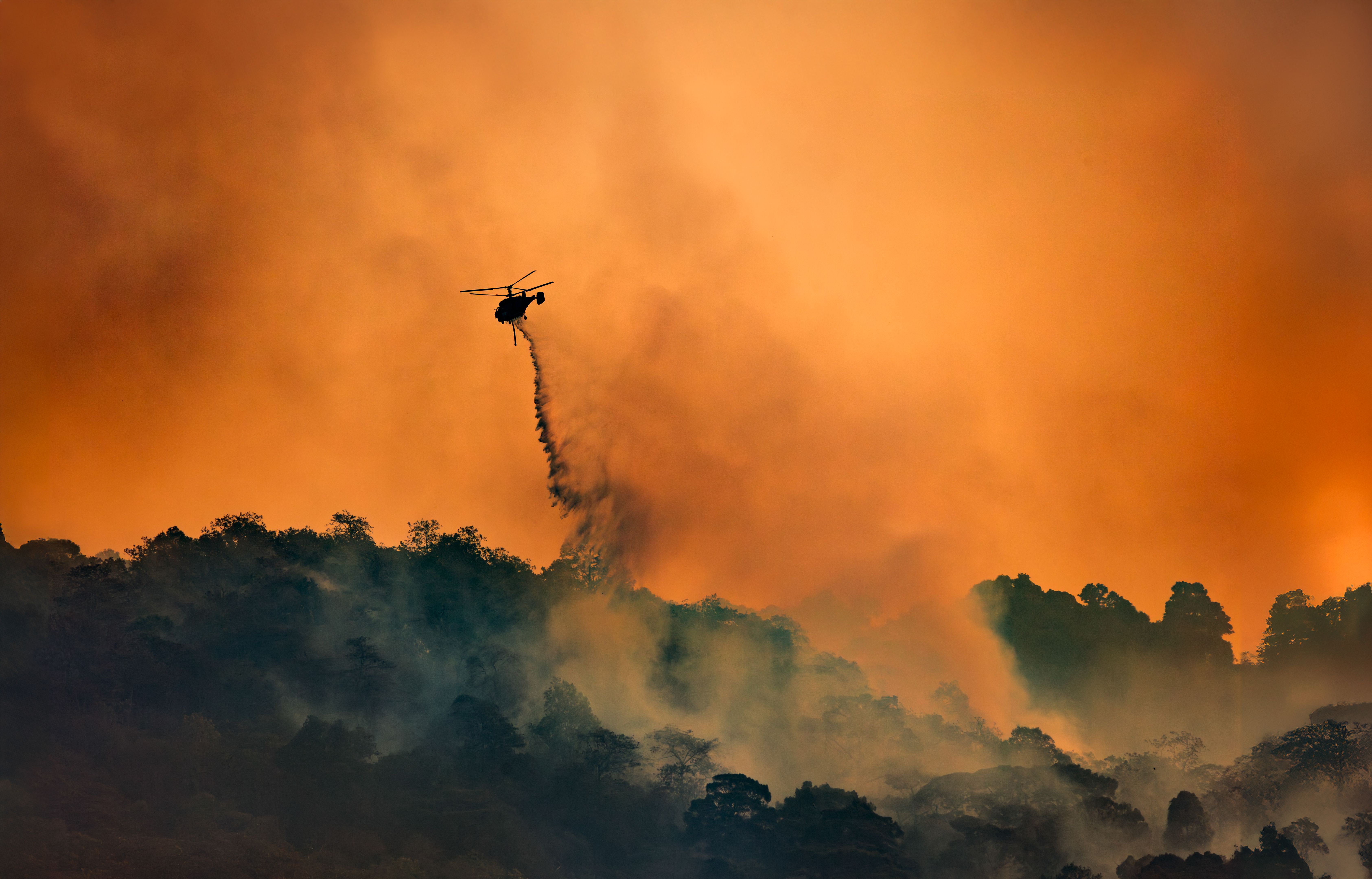
For example, wildfire season, typically from late spring through early autumn, may prompt contracts for fire prevention, response, and recovery efforts. Understanding these environmental cycles allows contractors to anticipate demand and prepare their resources accordingly.
Strategies for Success
To capitalize on seasonal trends, contractors should adopt proactive strategies. This includes maintaining a flexible workforce, investing in relevant training, and building relationships with key stakeholders. Networking with government officials and attending industry events can provide insights into upcoming opportunities and trends.
Additionally, leveraging technology to track and analyze data on government spending and contract awards can offer a competitive edge. By understanding patterns and predicting future trends, contractors can position themselves as preferred partners for state agencies.
Conclusion
Seasonal trends in government contracting in California present both challenges and opportunities. By understanding budget cycles, legislative impacts, and environmental factors, contractors can enhance their strategies and increase their chances of success. Staying informed and adaptable is key to thriving in this dynamic landscape.
Ultimately, those who can anticipate changes and align their offerings with government needs will be best positioned to secure contracts and drive growth in this competitive market.